
What’s New in Atrack
This month, ATrack is making many of your everyday workflows easier:
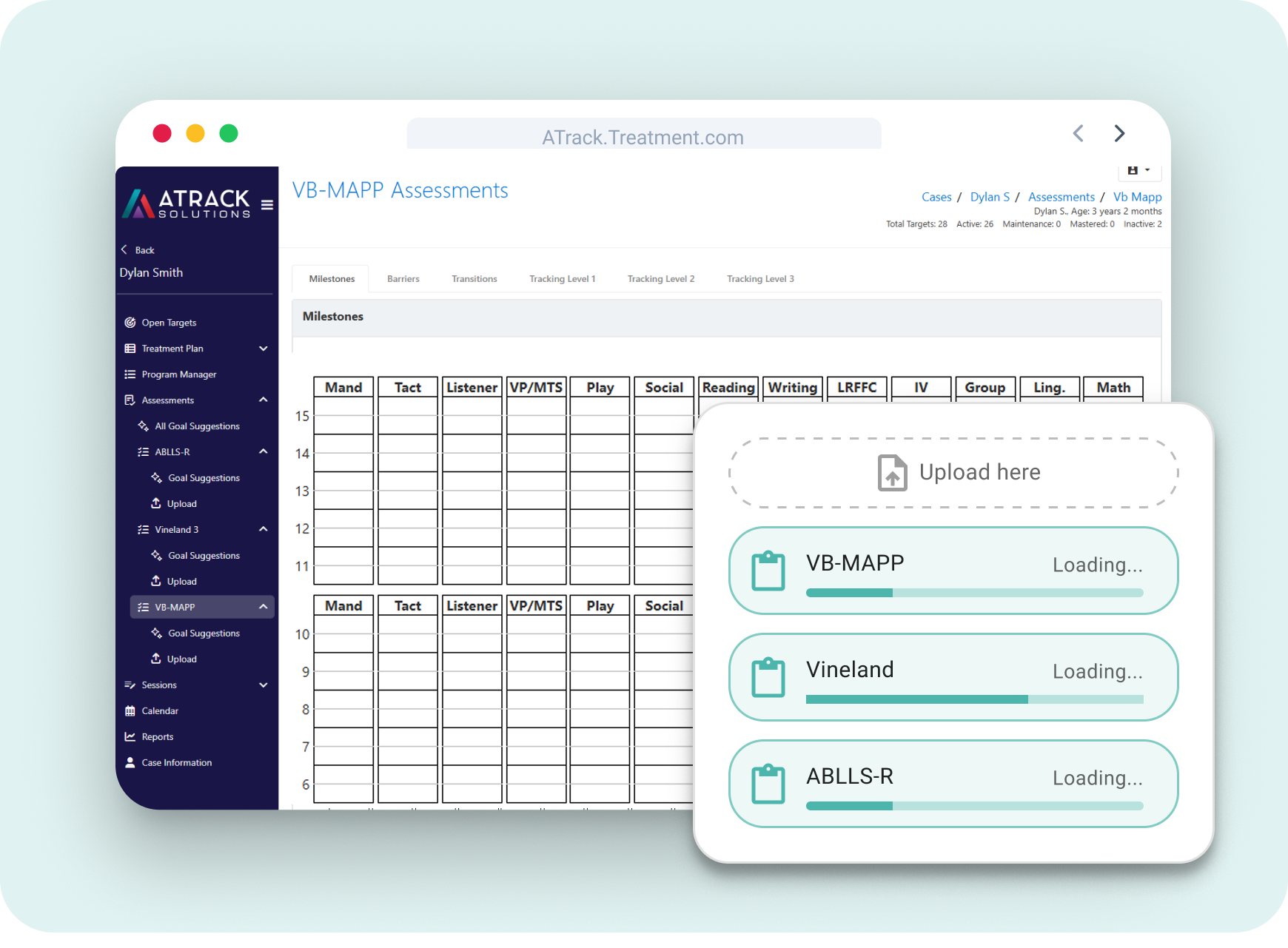

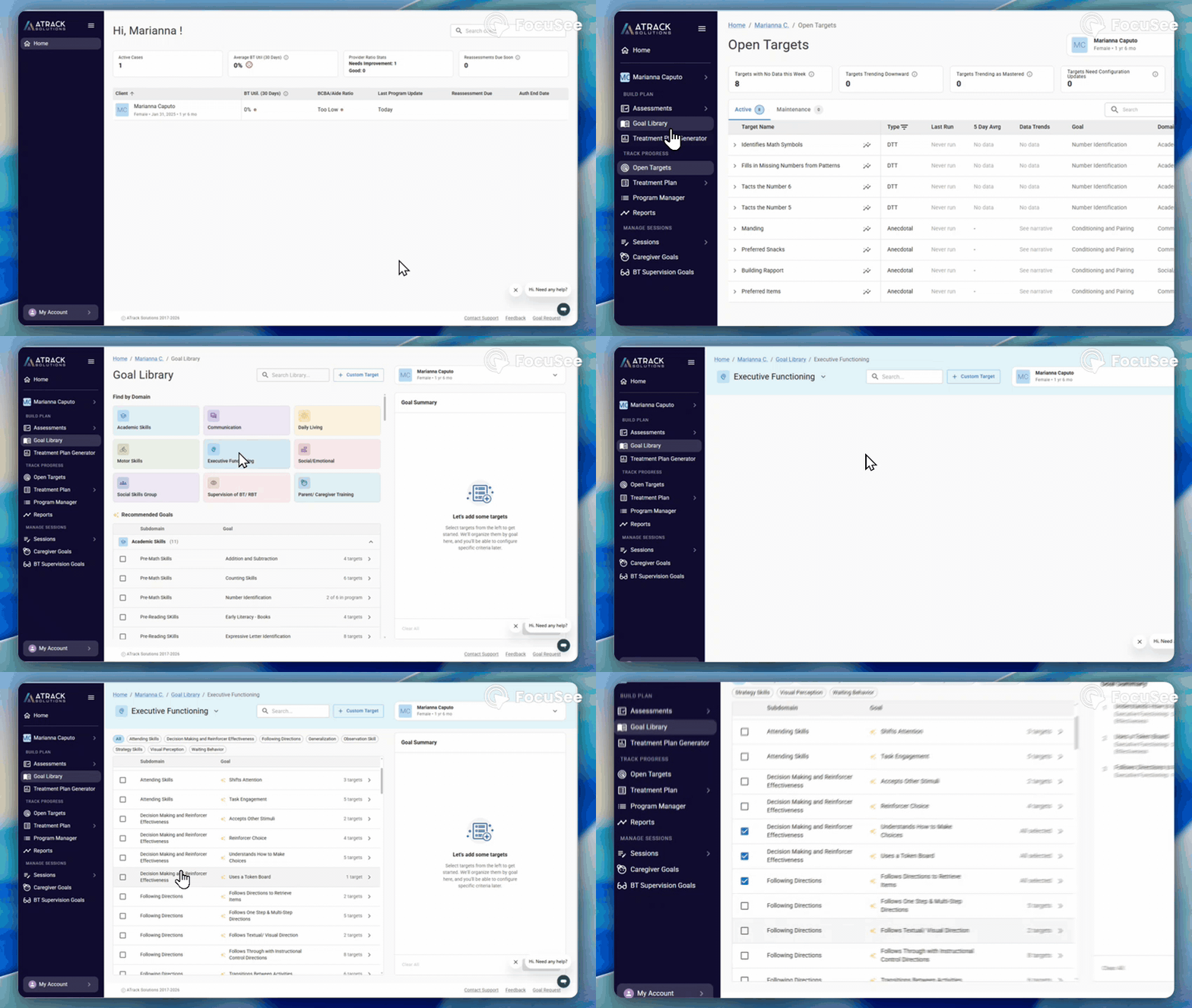
Updated Goal Library
Build the plan without breaking your flow
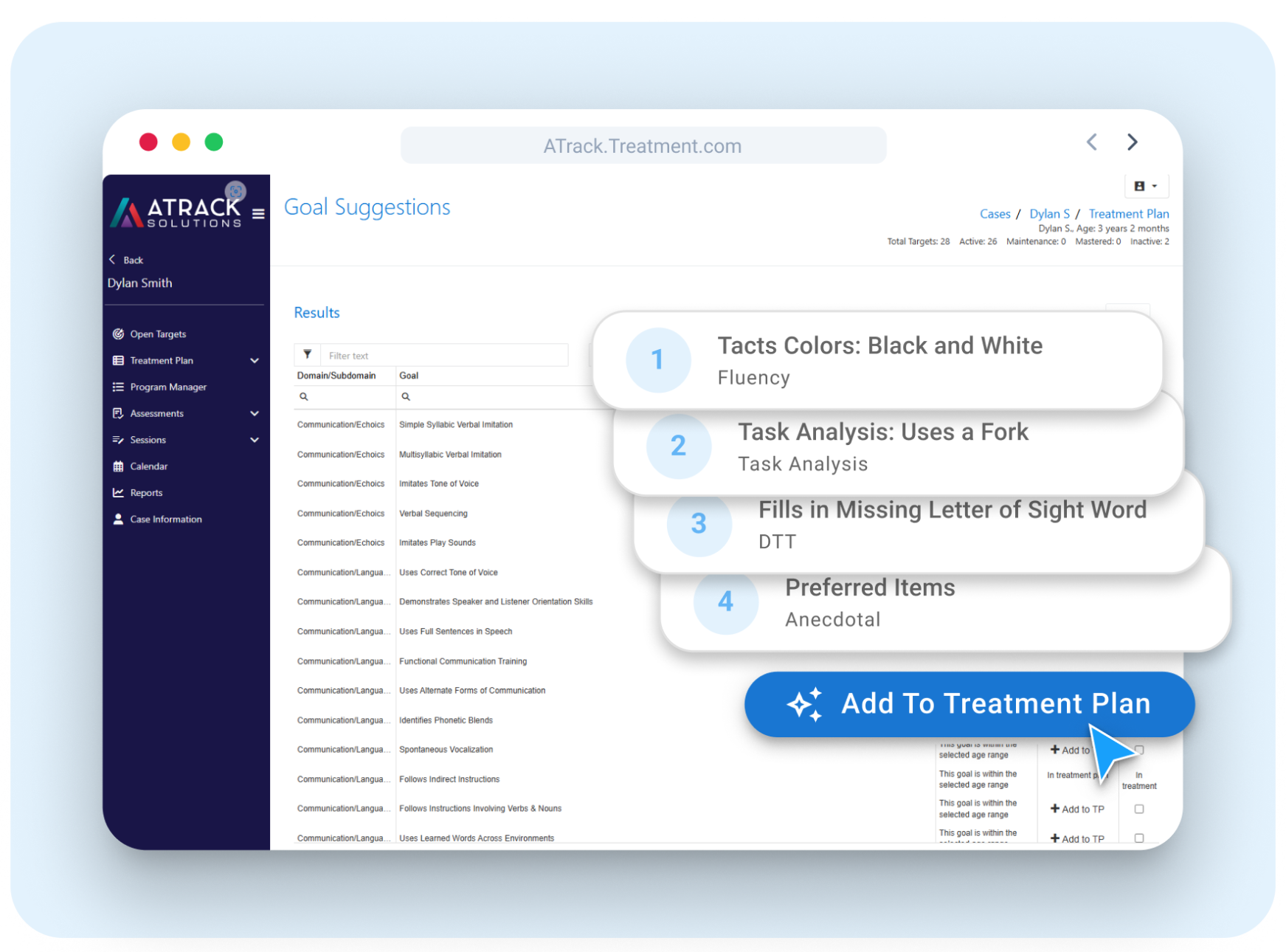
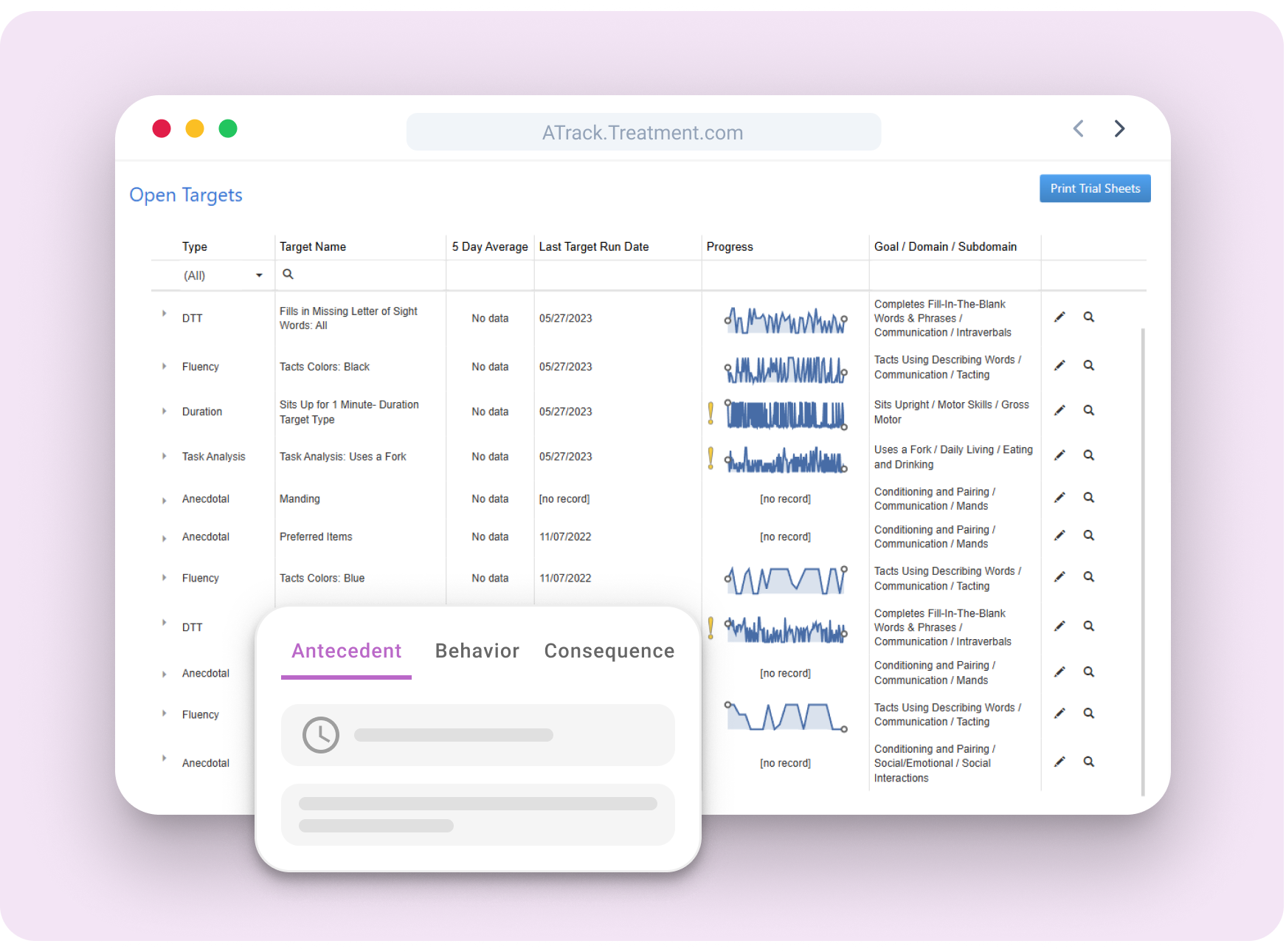
Adding goals one at a time can interrupt the flow of treatment planning. With ATrack’s redesigned Goal Library, BCBAs can browse the full library, select what fits, review everything together, make adjustments, and then add their selections to the treatment plan.
It’s a faster, more intuitive way to build out a plan while keeping the BCBA in control of every selection.
RBT Reverse Matching
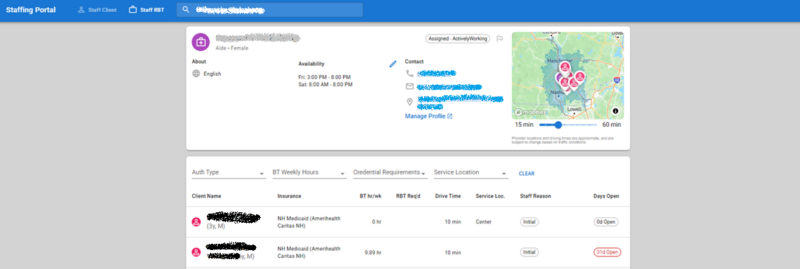
Sometimes the staffing question isn’t “Who can take this client?” – it’s “Where can this available RBT make the most sense?”
With RBT Reverse Matching, Case Managers can start with an available BT/RBT and see nearby clients who need staffing. Potential matches are organized by drive time, with filters for authorization type, weekly hours, credential requirements, and service location. Urgency indicators help teams quickly identify staffing needs that may require attention first.
It’s a provider-first view designed to make a complicated staffing decision easier to navigate.
BCBA Staffing Portal
A clearer way to make a complicated BCBA match
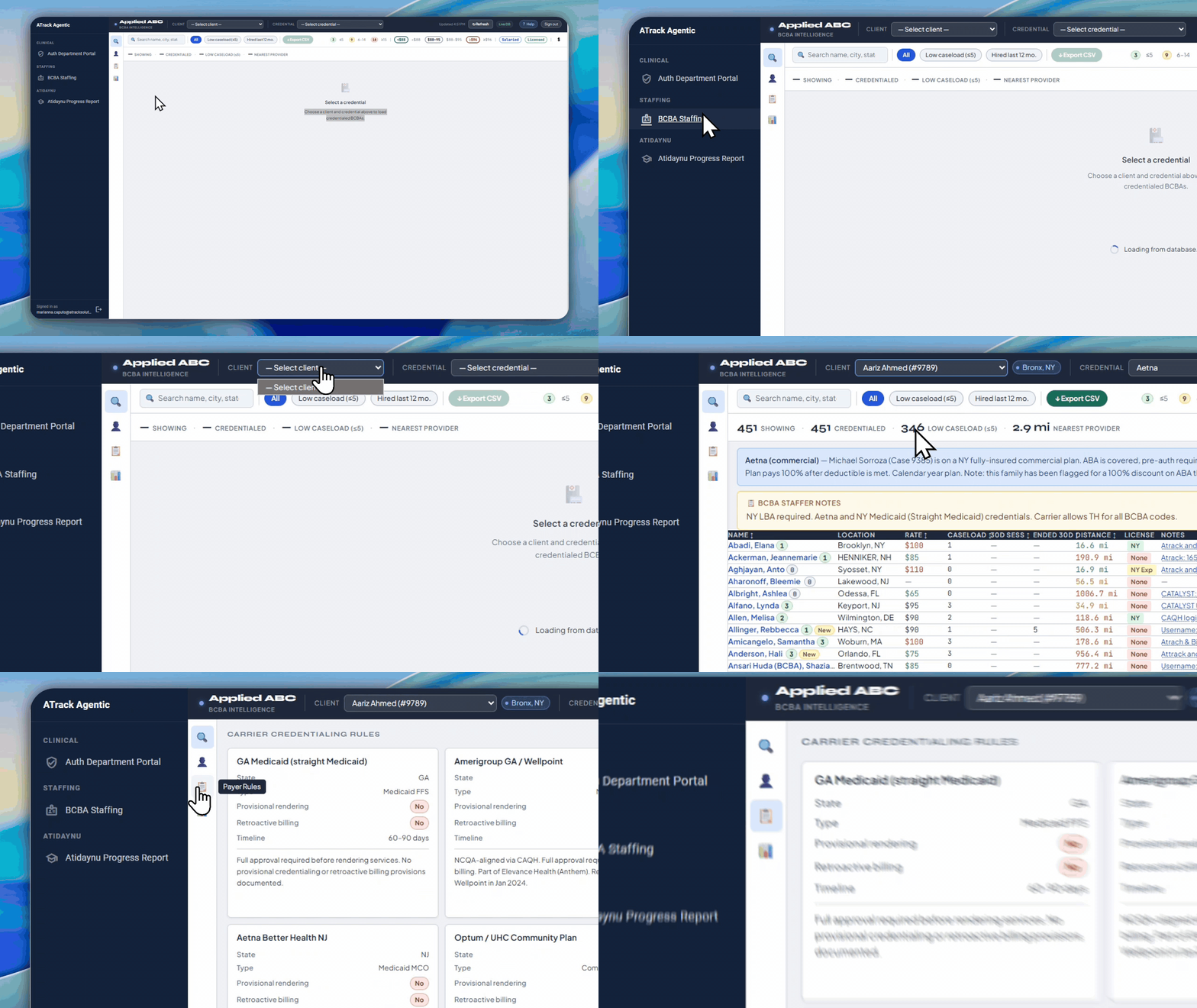
Matching a client with a BCBA takes more than finding someone nearby. Insurance credentialing, state licensure, capacity, distance, and caseload all have to line up.
The new BCBA Staffing Portal brings those factors together in one interactive workspace, helping the staffing team see available BCBAs and clients waiting for services, identify compatible matches, and make better-informed placement decisions faster.
Authorization Department Portal
Authorizations have a lot of moving pieces—and missing one can affect care.
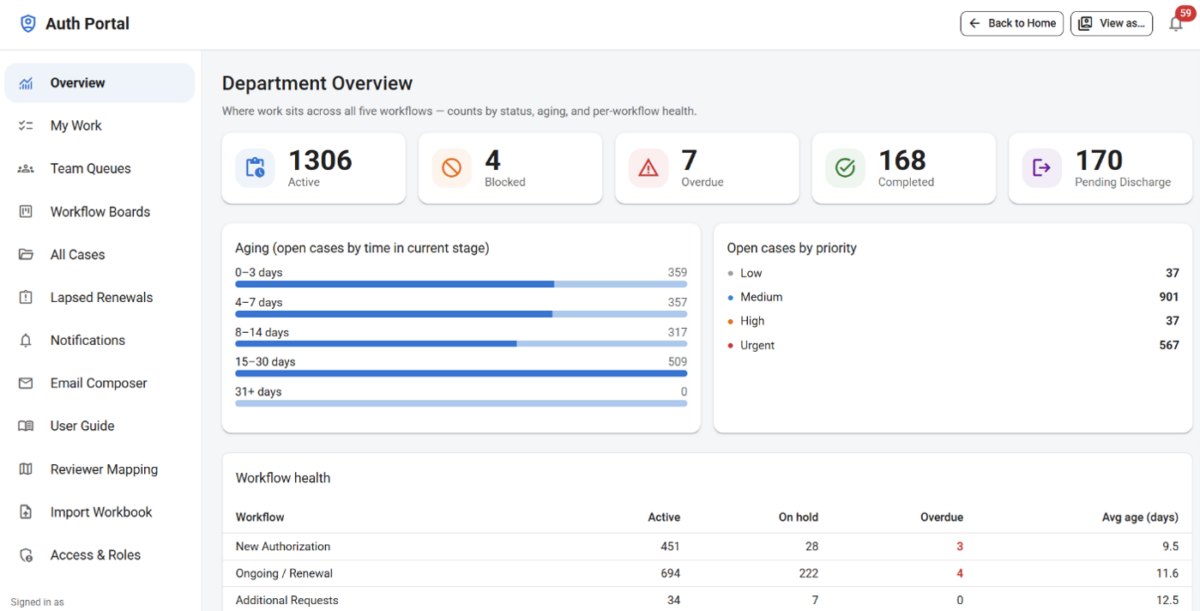
The new Auth Department Portal replaces the department’s patchwork of shared spreadsheets with one live workspace for new authorizations, renewals, additional requests, transfers, and discharges.
Cases are automatically routed to the appropriate reviewer based on state and insurance coverage, while reminders surface upcoming deadlines before they become lapses.
The result: a clearer picture of what needs attention, fewer manual handoffs, and more time to keep authorizations moving before services are impacted.


